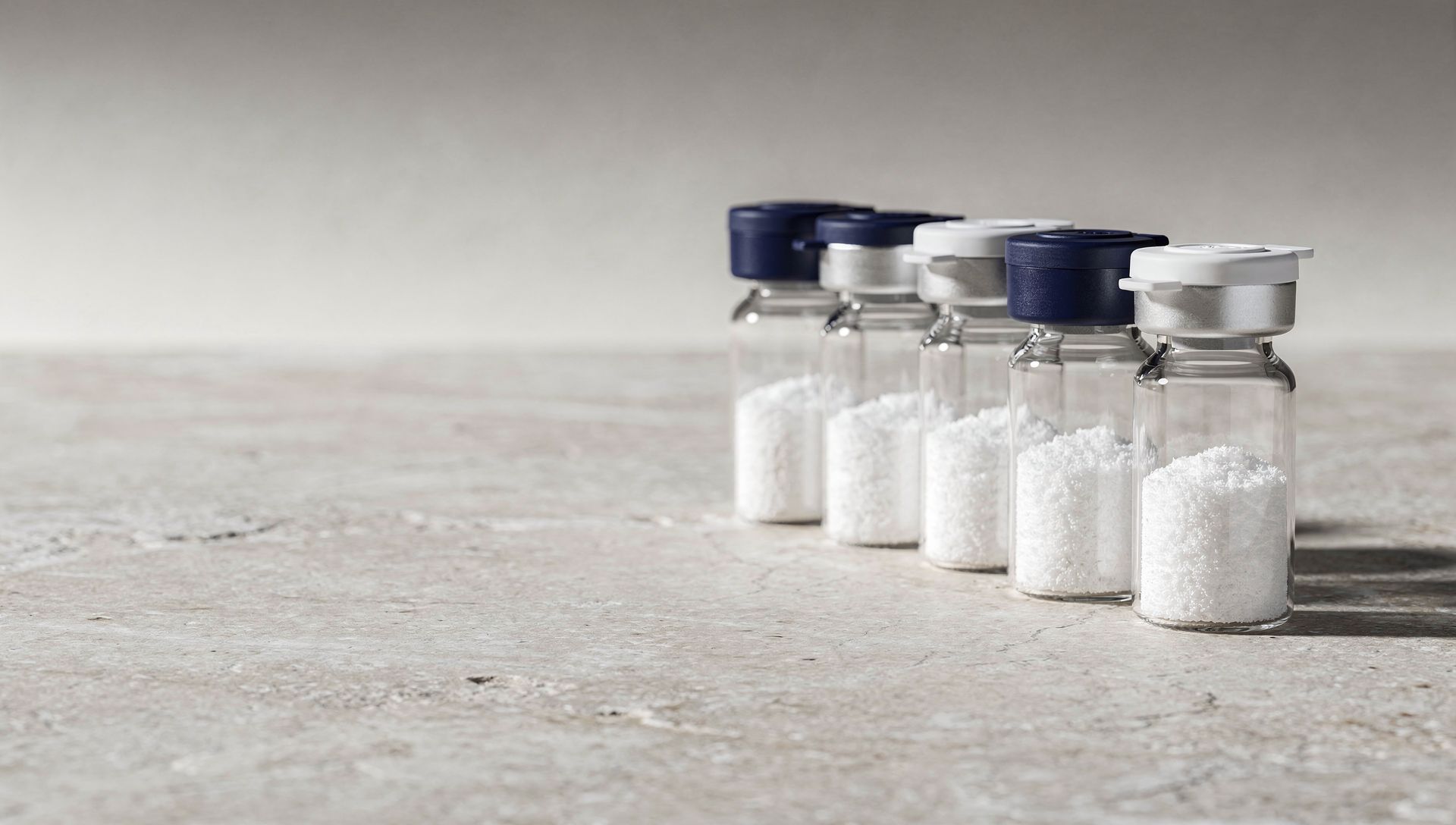
Sequenta Labs / Research catalog
Research peptides.
Sharper questions.
Explore peptides and reference compounds for laboratory research. Start with the material. Build a clear specification. Keep the science in focus.
One clearly organized catalog
Fill sizes and quantities in one place
Know what to ask before purchasing
No human or animal use
Explore the catalog
A precise place to start.
Peptides, blends, complexes and coenzymes. Find a compound, review its research context and select the format for your material request.
View all 26 compounds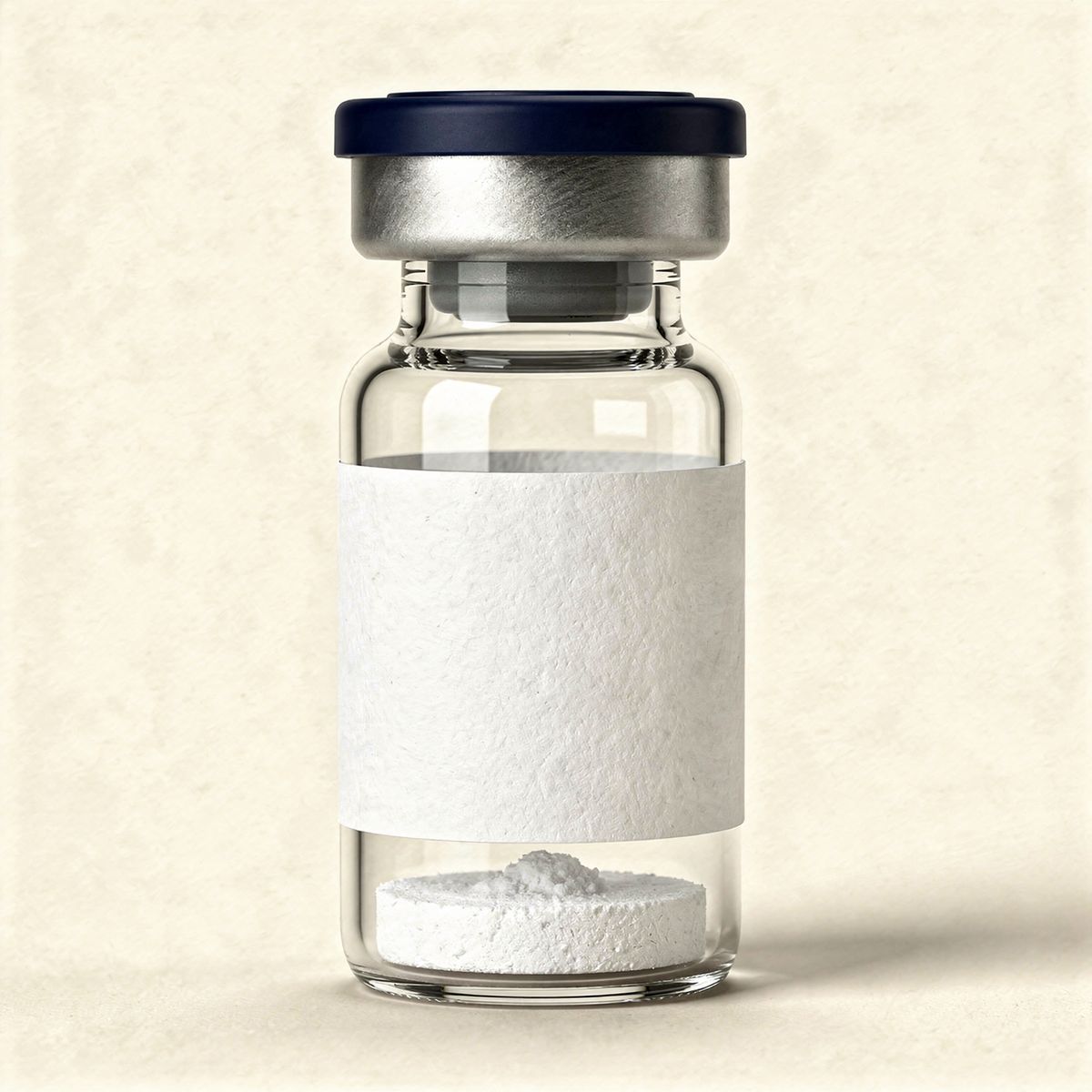
Multi-component analysis
BPC-157 / TB-500
A two-component research selection combining BPC-157 and TB-500. Component identity and individual amounts should be specified separately.
Browse by chemistry
Different materials.
Clear distinctions.
Peptides
Individual peptide compounds with defined research identities.
Explore 1 CATALOG ENTRIESBlends
Multi-component selections with separately specified amounts.
Explore 1 CATALOG ENTRIESPeptide complexes
Peptide chemistry coordinated with a metal component.
Explore 1 CATALOG ENTRIESCoenzymes
Reference compounds for biochemical research.
Explore ANALYTICAL DOCUMENTATION / A CLOSER LOOK
Quality is a question of evidence
Read the record.
Know the material.
A product name is a starting point. A lot-specific analytical record is what connects a material to an identity test, a purity measurement and a documented method.
- IdentityDoes the analytical result match the specified compound?
- PurityWhat was measured, and by which method?
- TraceabilityDoes the certificate match the material lot?
From catalog to request
Keep your next step simple.
A structured material request gives your procurement team the information it needs.
Explore the compound
Read the overview, identify the chemical category and compare the listed formats.
Build your selection
Choose fill sizes and quantities. Keep different configurations as separate cart lines.
Prepare the request
Add institutional details and documentation requirements. Review everything before submission.
Research notes
Useful context.
Before the bench.
Short guides to reading specifications and organizing material records.
Read all research notes
Frequently asked
A little clarity goes a long way.
Research use, documentation and the request process.
All questionsAre these products for human consumption?
No. This catalog is strictly for laboratory research. Products must not be consumed, administered to humans or animals, or used as drugs, foods, cosmetics or dietary supplements.
How do I request pricing?
Choose a compound and fill size, add the required quantity to your cart, then complete quote checkout. The request includes your institution, selected materials and documentation requirements. No payment is taken.
Why is there no purity percentage on the product card?
Purity is a measurement for a specific material lot, not a universal property of a product name. A numerical result should only be presented with the corresponding analytical record. No verified lot certificates are published in this catalog yet.
What documents should I review before purchasing?
Ask for the lot-specific certificate of analysis, identity test, purity method, material specification and safety data sheet. Confirm that the lot number matches the material offered.
Built around your research